The world of engineering is undergoing a quiet revolution. For decades, Computer-Aided Engineering (CAE) has been dominated by highly expensive, proprietary software suites that locked engineering teams into restrictive licensing agreements. Today, a new paradigm is shifting the landscape: the open-source CAE ecosystem. By breaking down the financial and proprietary barriers of traditional simulation software, open-source ecosystems are democratizing high-fidelity engineering toolsets for startups, academic institutions, and multinational corporations alike.
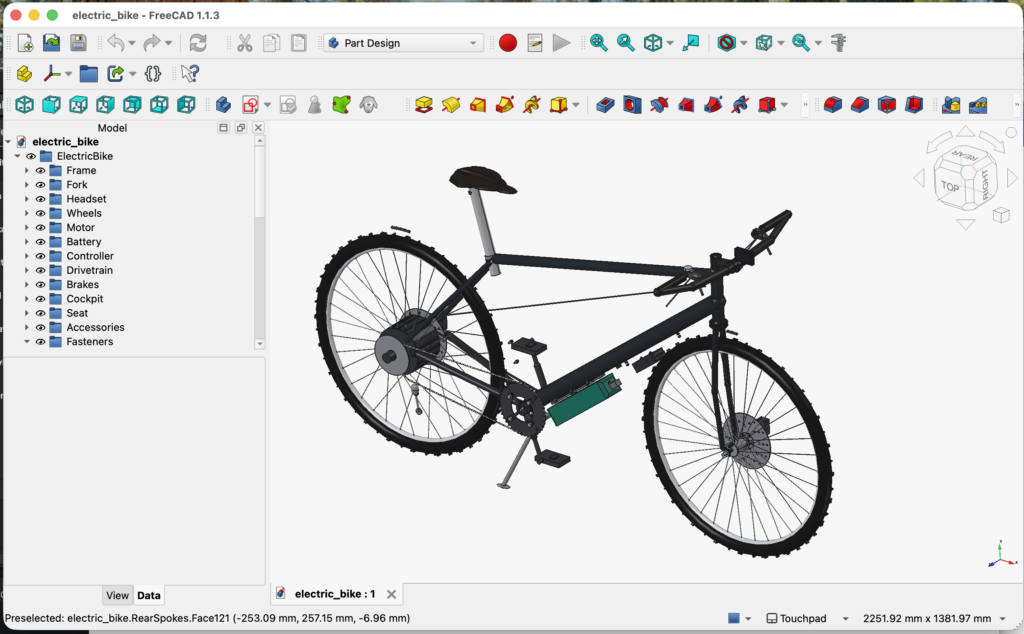
Computer Aided Design
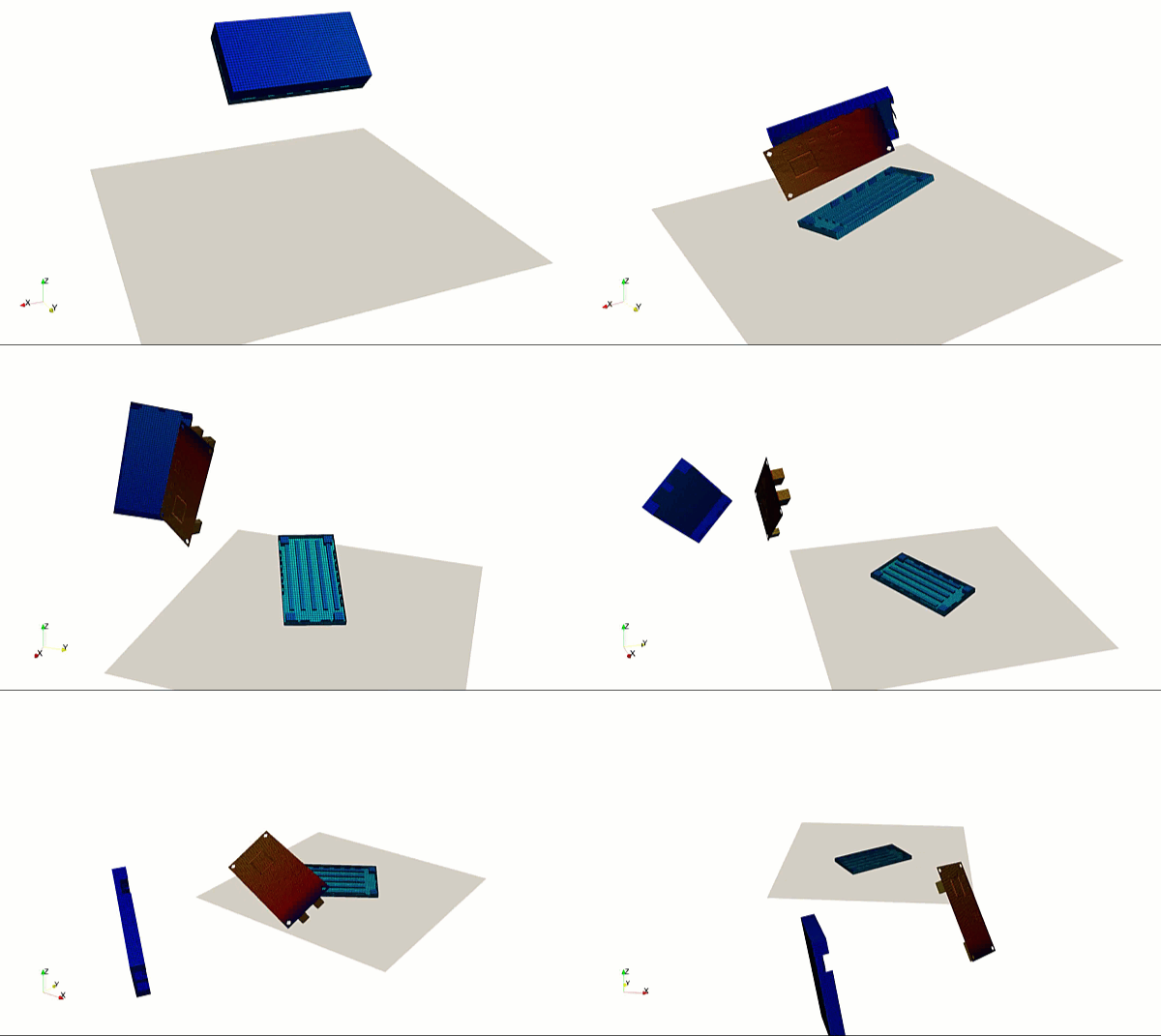
Finite Element Analysis
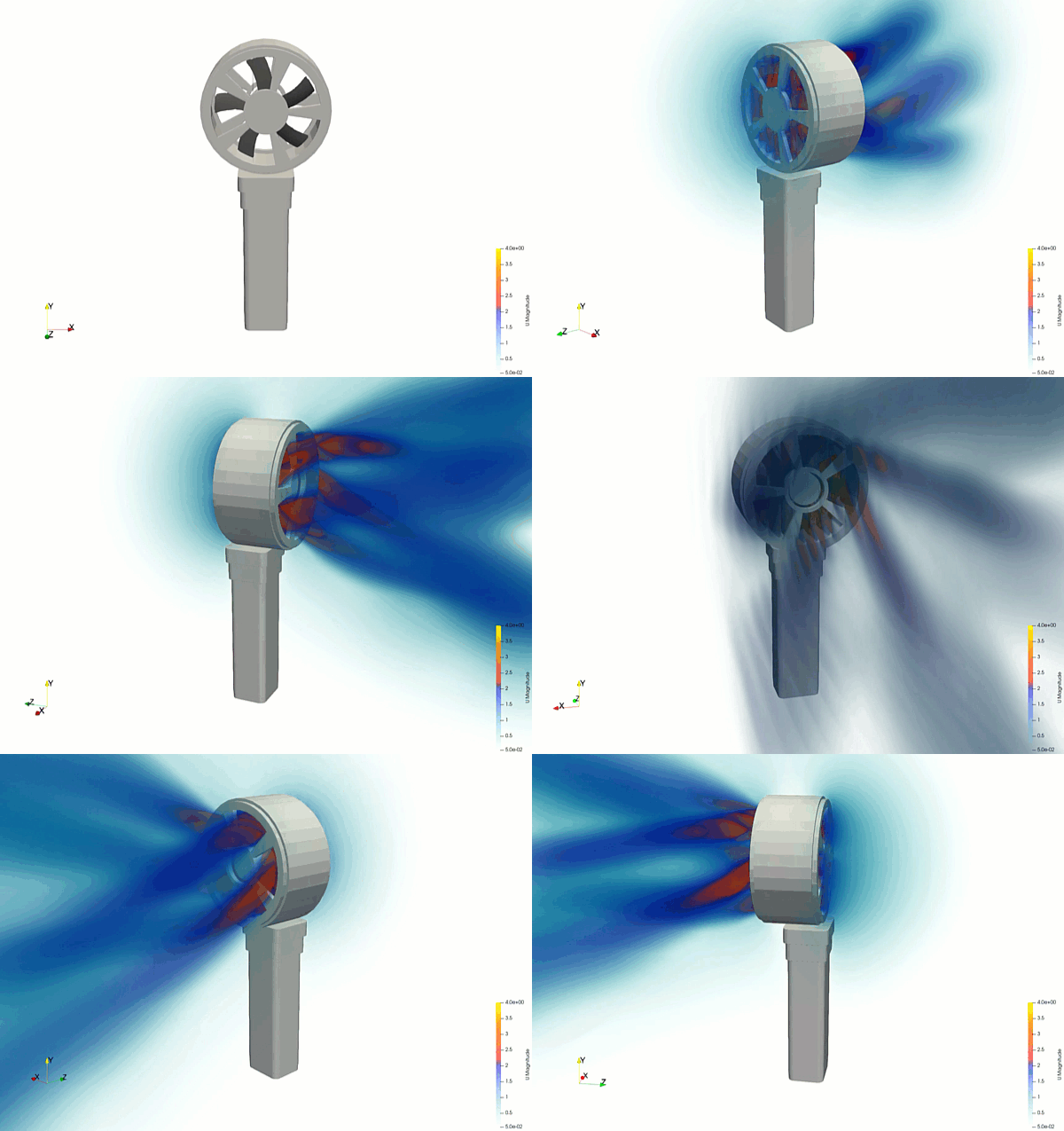
Computational Fluid Dynamics
An effective open-source CAE pipeline is not built on a single, monolithic program. Instead, it thrives as a decentralized web of specialized tools operating seamlessly together. These workflows rely heavily on a modular architecture divided into three fundamental pillars: pre-processing, solving, and post-processing. Because no single entity owns the entire stack, the lifeblood of this ecosystem relies on standardized data formats that allow files to move seamlessly from raw geometry into discrete meshes, then to computational solvers, and finally into visualization environments.
The Foundation of Pre-Processing and Meshing
Before any physics equations can be solved, raw architectural designs or mechanical geometries must be prepared. This first phase, known as pre-processing, is where open-source options have grown remarkably stable. Platforms like Salome act as standard digital workbenches where engineers can import CAD files, clean up complex geometries, and define boundary conditions. Once the geometry is finalized, mesh generation tools such as Gmsh or Netgen take over, partitioning complex shapes into millions of discrete points and volumes. The accuracy of the final simulation relies heavily on the quality of this mesh, making these robust tools critical entry points for the entire CAE pipeline.
High-Performance Computational Solvers
The core engine of any CAE ecosystem is its solver. In the open-source domain, these solvers have matured to compete directly with commercial giants in terms of raw accuracy and scale. For structural mechanics, tools like CalculiX handle static and thermal stresses, while OpenRadioss—originally a commercial product open-sourced by Altair—dominates explicit dynamic calculations like automotive crash tests. In fluid dynamics, OpenFOAM has established itself as the unquestioned global standard for simulating complex liquid and gas flows. These solvers are uniquely optimized for high-performance computing, allowing users to run massive calculations across thousands of cloud-based processor cores without incurring millions of dollars in software licensing fees.
Unified Post-Processing and Visualization
Raw numerical data generated by high-powered solvers is functionally unreadable without visualization. The open-source community solved this challenge through universal standardization around a tool called ParaView. Developed in collaboration with academic and government research labs, ParaView serves as the shared lens through which engineers view their data. Whether visualizing airflow around a rocket wing or stress concentration in a bridge girder, ParaView converts abstract multi-gigabyte data files into actionable, interactive 3D color maps. This common visualization framework prevents users from having to learn a completely different interface every time they switch from structural to fluid physics.
Overcoming Integration and Usability Bottlenecks
While individual open-source tools are incredibly powerful, their primary historical drawback has been a lack of user-friendliness. Many open-source solvers operate strictly via command-line text input files, presenting a steep learning curve for designers used to graphical user interfaces. The modern focus of developers is now shifting toward integration frameworks. Python wrappers and graphical platforms like PrePoMax are bridging the gap, wrapping raw command-line solvers inside intuitive, user-friendly windows. By lowering the barrier to entry, these integrative platforms are transforming scattered code repositories into cohesive, reliable ecosystems capable of moving a product from an initial sketch to a verified physical reality.
List of opensource CAE software
FreeCAD : Computer Aided Design (CAD)
CalculiX: Embedded Finite Element Analysis (FEA) Solver in FreeCAD
Code_Aster: Advanced Finite Element Analysis (FEA)
OpenRadioss: Explicit Solver Finite Element Analysis (FEA)
OpenFOAM: Computational Fluid Dynamics (CFD)
LIGGGHTS: Discrete Element Method (DEM)
ParaView: Post-Processing Software
Blender: 3D Surface Modeller
Author: Caesar Wiratama
Find me on Linkedin
Related Search: FreeCAD Freelancing Service, code_aster Freelancing Service, Calculix Freelancing Service, OpenRadioss Freelancing Service, OpenFOAM Freelancing Service,