
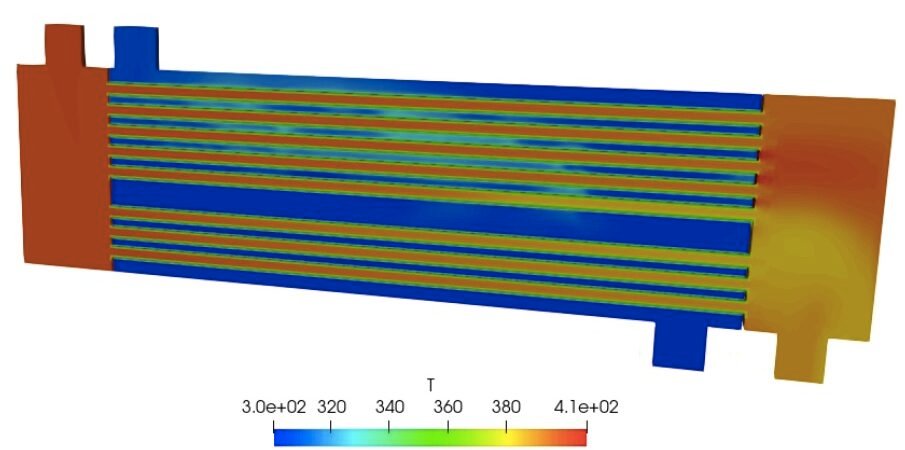
Computational Fluid Dynamics (CFD) consulting is a specialized engineering service where external analysts use advanced numerical simulations to solve complex fluid flow, heat transfer, or multiphysics problems. Hiring an outside expert is highly valuable when internal teams encounter unfamiliar physics, such as multiphase flows or fluid-structure interactions. It is also the ideal choice when the financial stakes of a design selection are high, or when a company lacks the expensive software licenses and high-performance computing hardware required for occasional simulation workloads.
Evaluating Essential Technical Qualifications
A qualified CFD consultant must possess an advanced engineering degree with a strict focus on fluid mechanics or heat transfer. Beyond basic software familiarity, they need deep technical proficiency in primary industry solvers like Siemens STAR-CCM+, ANSYS Fluent, or OpenFOAM. True expertise is demonstrated through an understanding of underlying physics—such as turbulence modeling and mesh generation—backed by a documented history of validating simulation predictions against real-world experimental data.
Assessing Business and Technical Alignment
Before engaging an external consultant, organizations must align the simulation scope with clear business goals using targeted intake questions. Companies should identify the exact design decision the simulation will influence, the financial impact of the problem, and the specific, measurable operating conditions to be modeled. It is critical to establish a definitive pass/fail success criterion, such as precise temperature or pressure drop thresholds, while defining an acceptable level of accuracy for the final data.
Verifying Simulation Methodology Discipline
A rigorous consulting firm must demonstrate strict methodological discipline during the initial project scoping conversations. Buyers should explicitly ask if the consultant will perform a mesh sensitivity study to ensure results are independent of grid density, and confirm that fundamental conservation checks for mass, energy, and momentum will be thoroughly documented. A reliable consultant will always outline how results will be validated and provide a formal confidence statement specifying the exact boundaries under which the data remains trustworthy.
Demanding High-Quality Actionable Deliverables
The final deliverable from a qualified consultant must prioritize professional discipline and business value over technical jargon. A high-quality report opens with a clear restatement of the underlying business problem, isolates the single most critical finding in a well-labeled chart, and provides specific, actionable recommendations for the next steps. Vague conclusions, a lack of documented accuracy bounds, or reports filled with dozens of contextless velocity plots without engineering intuition serve as major red flags.
Realizing the Real Cost of Consulting Services
CFD consulting costs vary depending on application complexity, required computing hours, and the scope of the geometry being analyzed. Experienced analysts typically command hourly rates between $100 and $250, with commercial software tracking at $10 to $35 per active simulation hour and cloud computing ranging from $0.05 to $0.20 per CPU-hour. While a standard single-physics project usually takes two to four weeks and ranges from $5,000 to $30,000, it eliminates the rigid annual overhead of salaries, benefits, and permanent infrastructure.
Author: Caesar Wiratama
Find me on Linkedin