
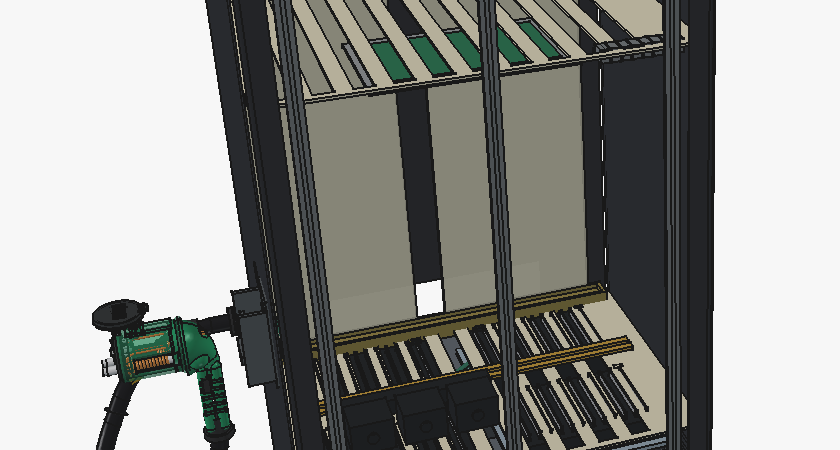
Electric vehicle fast chargers handle immense amounts of electrical current to minimize charging times. As electricity flows from the grid into a vehicle’s battery, internal resistance generates significant heat. Traditional air-cooled systems struggle to dissipate this thermal energy quickly enough, leading to thermal throttling where the charging speed is intentionally slowed down to protect the components. Liquid-cooled fast charging stations solve this bottleneck by integrating a dedicated cooling circuit directly into the charging cable, connector, and power electronics.
The design of these stations relies on a closed-loop cooling system. A coolant—typically a mixture of water and glycol, or a specialized dielectric fluid—is pumped through internal channels running alongside the heavy-gauge copper wires inside the cable. This liquid absorbs heat directly from the source and carries it back to the main station enclosure, where a radiator and fan system dissipate the heat into the surrounding air. By keeping temperatures low, liquid cooling allows stations to safely deliver currents of 500 amps or more, enabling ultra-fast charging without making the cables too thick or heavy for human handling.
Optimizing Component Architecture and Safety
Designing a liquid-cooled station requires a balance between electrical engineering, fluid dynamics, and rugged industrial design. Engineers must isolate the liquid coolant from the high-voltage electrical components to eliminate the risk of short circuits or shocks. This requires robust sealing mechanisms, specialized non-conductive materials, and real-time leak detection sensors.
Beyond safety, the architecture must support long-term durability. Charging cables are regularly dropped, twisted, and exposed to harsh outdoor weather. The internal cooling jackets and hoses must be flexible enough to bend easily, yet tough enough to withstand mechanical stress and extreme temperatures. Within the main stall, the power conversion modules are tightly packed to save space, requiring precise routing of coolant lines to ensure uniform temperature distribution across all sensitive semiconductor components.
The Role of Digital Prototyping in Engineering
Developing these advanced thermal management systems traditionally required building multiple physical prototypes, testing them in specialized labs, and redesigning them when they failed. Digital prototyping fundamentally changes this process by allowing engineers to build, simulate, and refine the entire charging station in a virtual environment before a single piece of hardware is manufactured. Using computer-aided engineering tools, design teams can test how different coolant blends, flow rates, and channel shapes impact thermal performance.
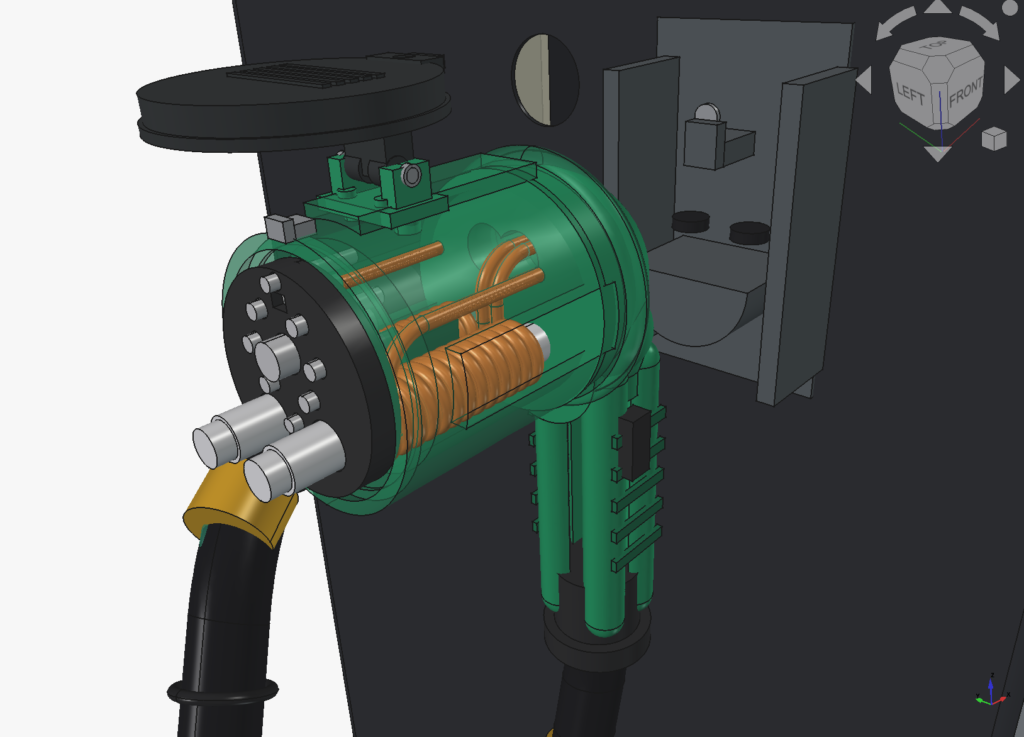
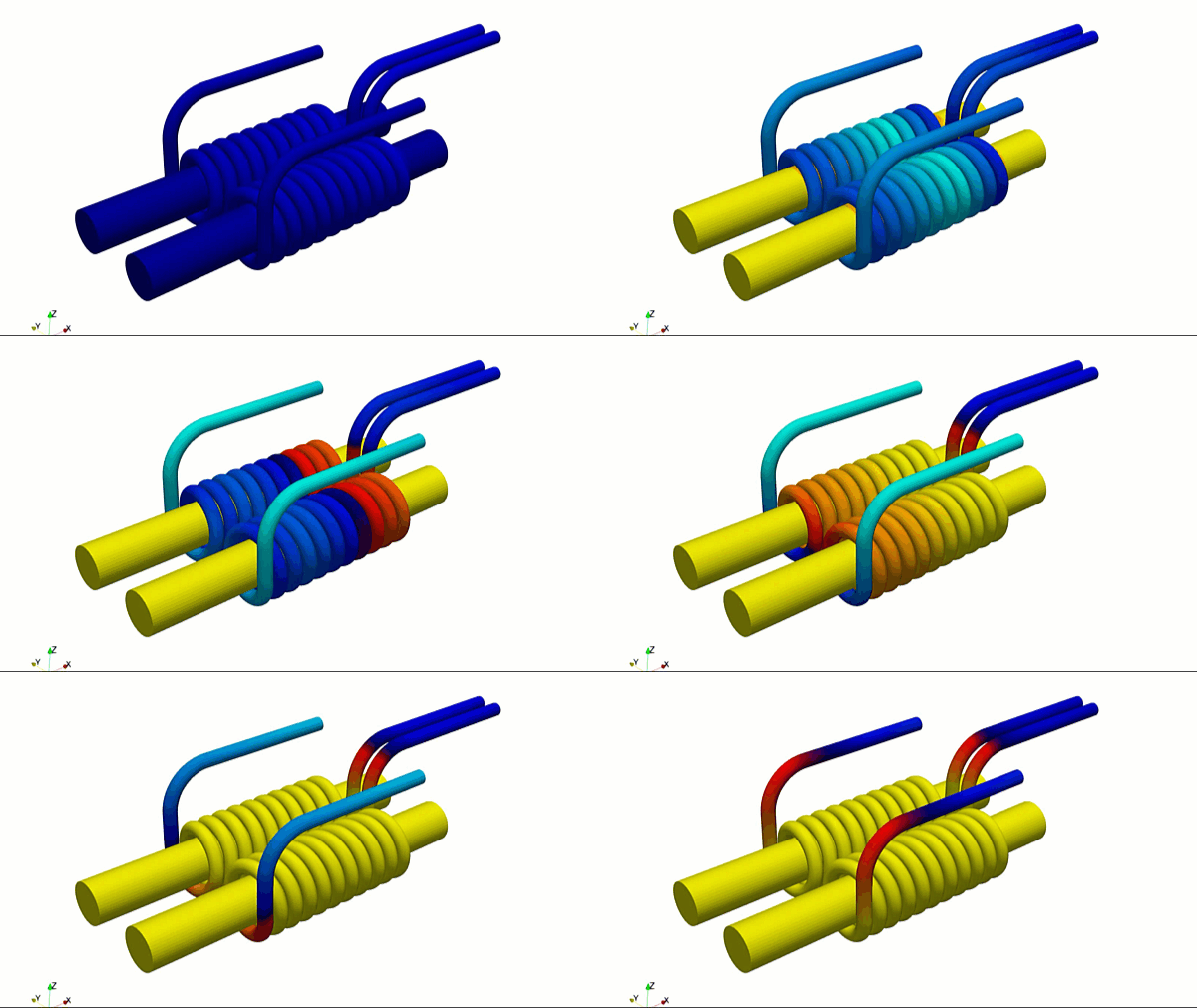
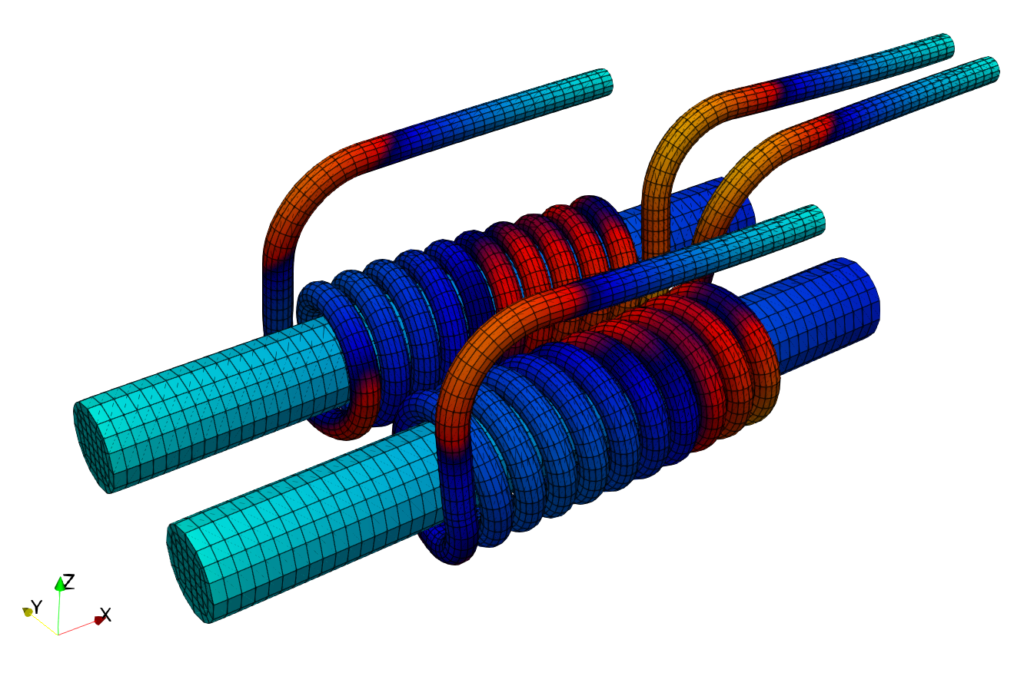
Computational fluid dynamics simulations let engineers visualize exactly how fluid moves through the cable and connector. They can pinpoint stagnant zones where heat might build up and adjust internal geometries instantly. Structural simulations also mimic years of physical wear and tear, such as dropping the connector onto concrete or running it over with a car. Digital prototyping identifies these failure points early in the design cycle, ensuring that the final physical product is highly optimized for reliability.
Business Value and Time-to-Market Advantages
From a commercial standpoint, digital prototyping offers a massive competitive edge in the rapidly growing electric vehicle infrastructure market. The ability to simulate performance drastically reduces the high costs associated with physical materials, laboratory testing time, and iterative manufacturing errors. By shifting the trial-and-error phase to software, businesses can cut development expenses and allocate engineering resources more efficiently.
This acceleration significantly compresses time-to-market. In a landscape where charging networks are racing to deploy ultra-fast infrastructure, releasing a certified, high-performance product months ahead of competitors secures vital market share. Furthermore, digital prototyping helps companies anticipate regulatory compliance and safety certifications early on, minimizing the risk of costly post-launch product recalls or field failures that could damage the brand’s reputation.
Author: Caesar Wiratama
Find me on Linkedin