
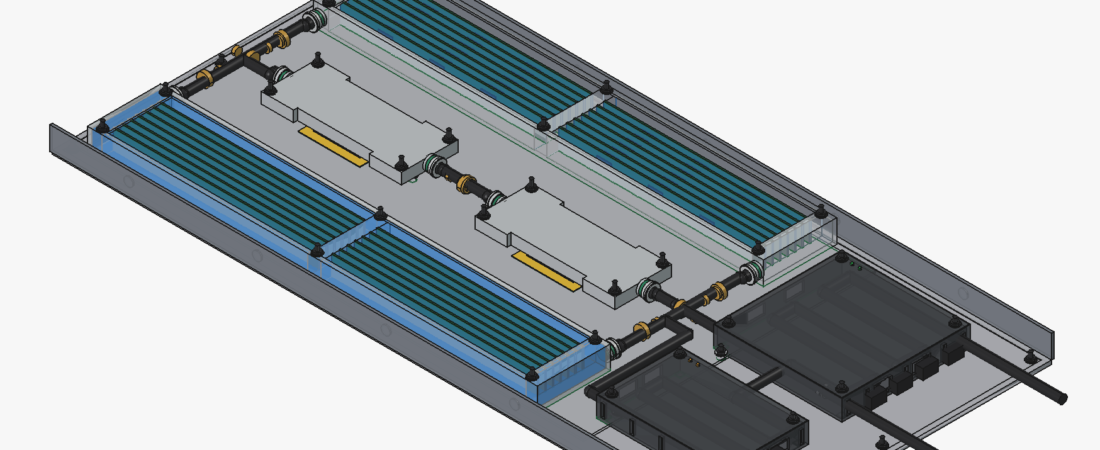
In the high-stakes world of enterprise computing and data centers, performance is directly limited by heat. As next-generation processors, high-density memory arrays, and high-wattage power supplies push performance boundaries, traditional air cooling systems are hitting a thermal wall. For hardware startups and scaling technology companies, developing efficient liquid cooling solutions—specifically a fully integrated, server-level cold plate infrastructure—is no longer just an advantage; it is a necessity. However, physical prototyping an entire chassis-wide liquid loop can quickly drain a young company’s runway. By integrating Computational Fluid Dynamics (CFD) simulation into their engineering pipeline, businesses can radically optimize their development cycles, cut unnecessary expenses, and bring superior server cooling products to market faster.
Eliminating the Prototype Bottleneck
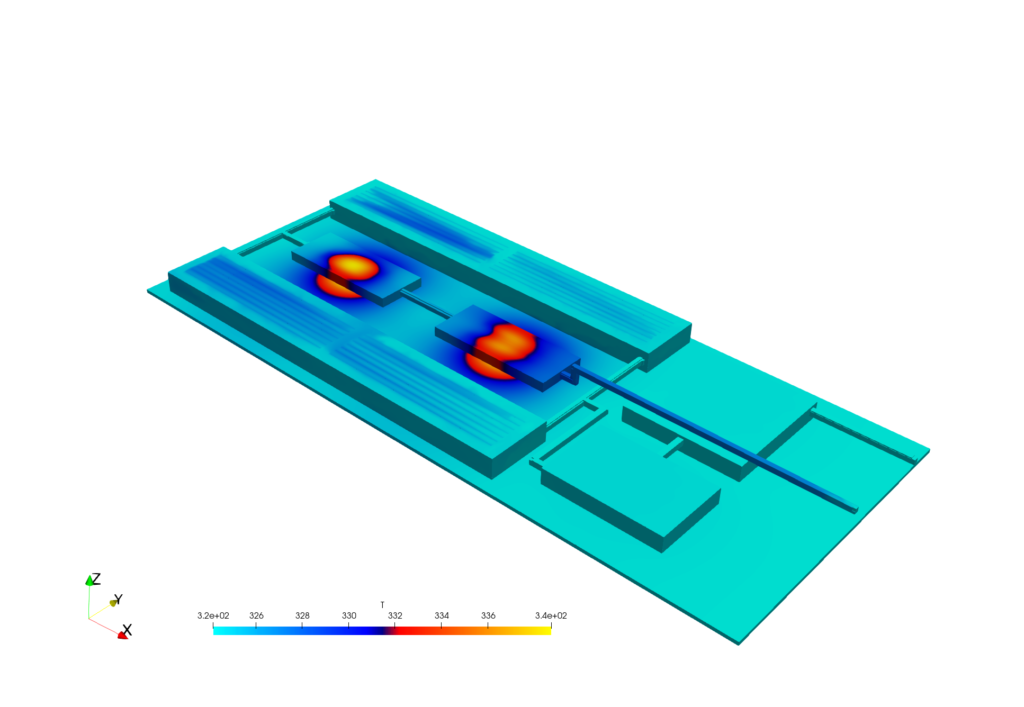
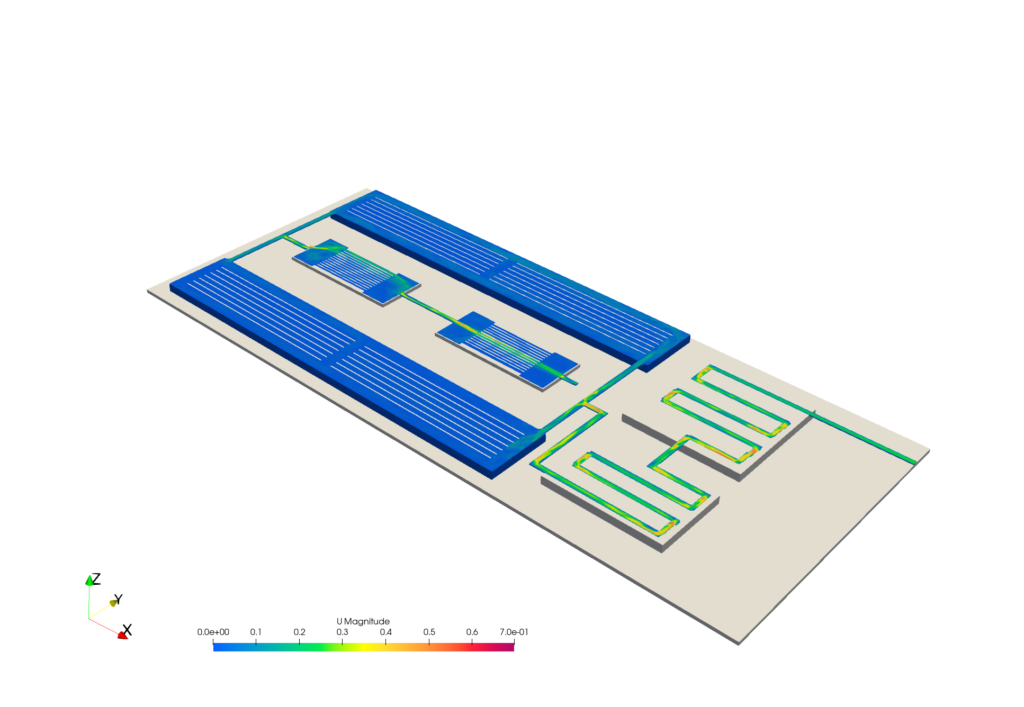
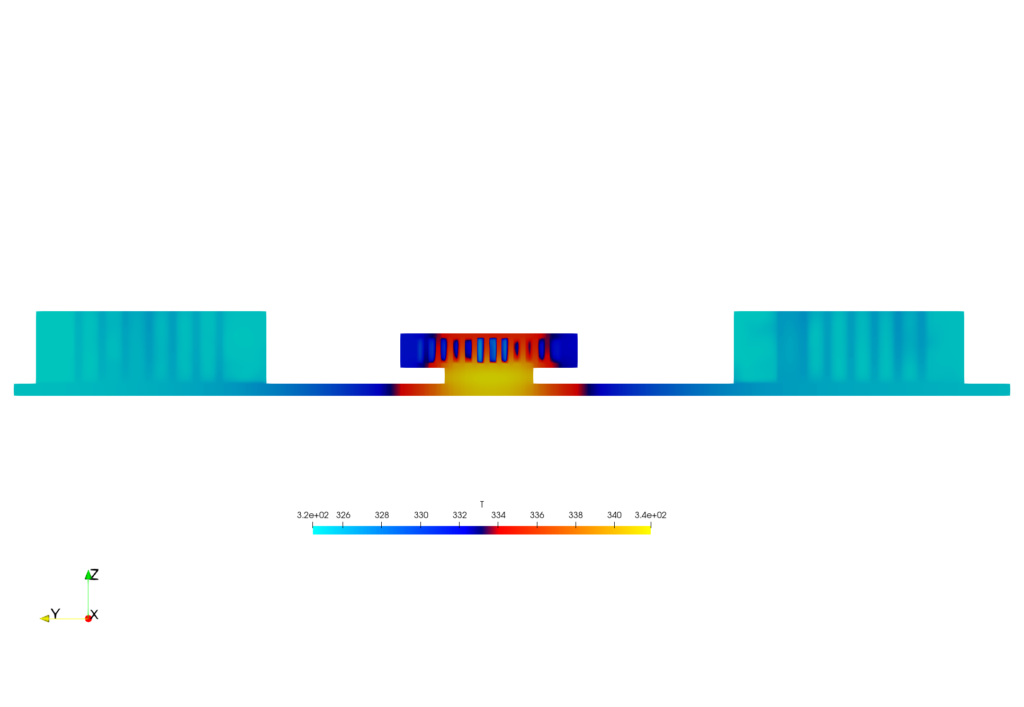
Traditionally, designing server-level liquid cooling involves a repetitive cycle of fabricating custom cold plates for CPUs, DIMMs, I/O devices, and power supplies, plumbing complex manifold networks, running physical stress tests, and measuring thermal resistance across multiple heat sources. This hardware loop is slow, prone to leaks during trial and error, and financially draining. CFD simulation transforms this physical bottleneck into a digital stream. Instead of waiting weeks for custom components and manifolds from a machine shop, engineers can build a virtual test bench of the entire server chassis within hours. CFD allows teams to visualize fluid flow, velocity vectors, and temperature gradients across the entire loop simultaneously. This immediate feedback loop lets startups identify stagnation zones, uneven coolant distribution, and thermal hotspots before a single piece of metal is ever cut or plumbed.
Maximizing Thermal Efficiency Across Multi-Component Systems
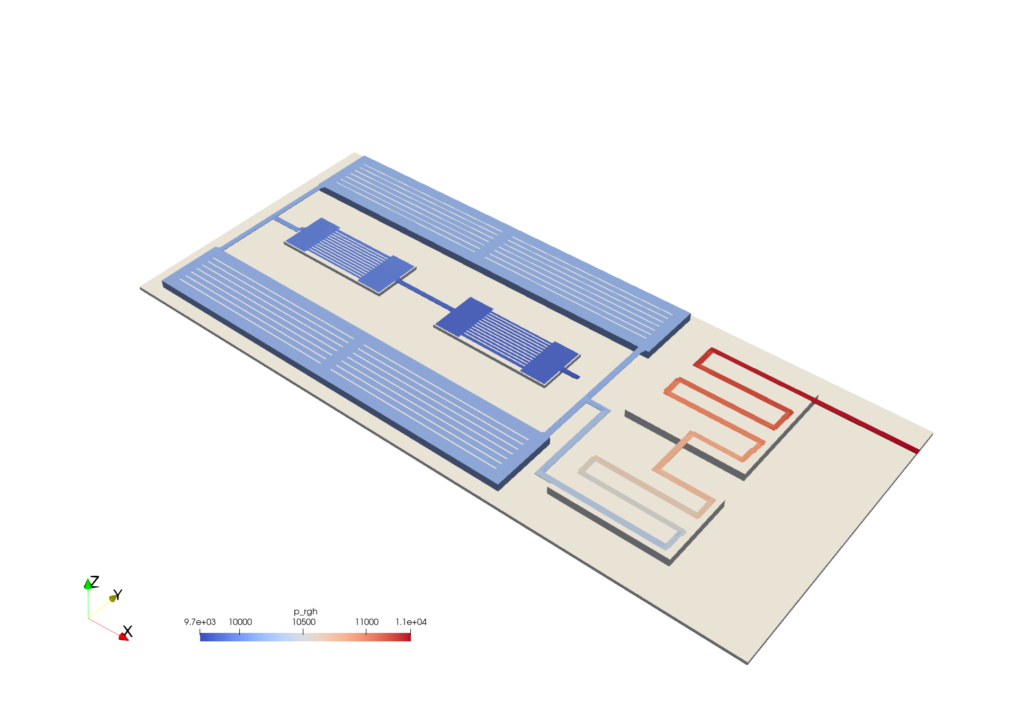
The challenge of server-level liquid cooling lies in the balancing act: managing wildly different heat densities across multiple components—from high-wattage CPUs to delicate DRAM chips, high-speed I/O controllers, and power conversion electronics. Optimizing a serial or parallel fluid loop manually to ensure every component receives adequate cooling without starving others is nearly impossible. Through CFD, companies can systematically simulate and alter variables like manifold diameters, micro-channel geometries, internal fin structures, and fluid flow rates. This allows engineers to find the exact sweet spot between total thermal resistance and system pressure drop. Simulating these variables ensures the server-level infrastructure delivers uniform heat dissipation across all subsystems without demanding an oversized, energy-hungry pump. This level of precision engineering allows startups to back up their product claims with hard, simulated data, giving them a competitive edge when pitching to enterprise data center clients or investors.
Mitigating Risk and Predicting Failure Modes
Hardware failures in a multi-component server can cause catastrophic downtime and ruin a startup’s reputation before it even establishes a foothold in the enterprise market. Physical testing rarely exposes every edge case, but CFD simulation allows engineers to stress-test the complete liquid loop under extreme operational scenarios. Teams can simulate coolant degradation, transient power spikes during heavy computational workloads, ambient temperature extremes, and varying fluid properties. By analyzing fluid shear stress, pressure drops, and velocity peaks virtually, companies can predict and prevent long-term failure modes like erosion, cavitation, localized boiling, and structural warping caused by uneven thermal expansion. Addressing these risks during the digital design phase dramatically reduces future warranty claims and ensures data-center-grade reliability.
Streamlining the Business Process for Agility
Integrating CFD into the server design workflow shifts engineering from a reactive process to a proactive one. It aligns product development with modern agile methodologies, allowing cross-functional teams to collaborate on a unified digital twin of the server chassis. Marketing and sales teams can use high-fidelity thermal and fluid visualizations to demonstrate product capability and robust cooling efficiency to prospective clients early in the sales cycle. Meanwhile, procurement and manufacturing teams can use simulation data to optimize material choices—balancing the weight and cost-effectiveness of aluminum components against the superior thermal conductivity of copper cold plates—without guessing. Ultimately, the business process becomes leaner, data-driven, and highly adaptive to changing market demands.
Accelerating Market Success with Tensor Engineering
Navigating the complexities of multi-phase fluid dynamics, structural constraints, and complex thermal management across an entire server chassis requires specialized expertise that many growing companies lack internally. Tensor Engineering, an established industry leader with proven experience since 2013, provides the specialized CFD consulting services needed to bridge this gap. By partnering with Tensor Engineering, startups and scaling enterprises gain direct access to advanced simulation workflows, expert thermal analysis, and optimized system-level design methodologies without the heavy overhead of purchasing expensive software licenses or hiring internal PhD-level fluid dynamics specialists. Tensor Engineering seamlessly integrates into your existing product pipeline, transforming complex chassis-wide thermal challenges into production-ready, high-performance server cold plate designs that keep your technology cool and your business scaling efficiently.
Author: Caesar Wiratama
Find me on Linkedin